Southeast Water Pollution Control Plant
Treatment plant
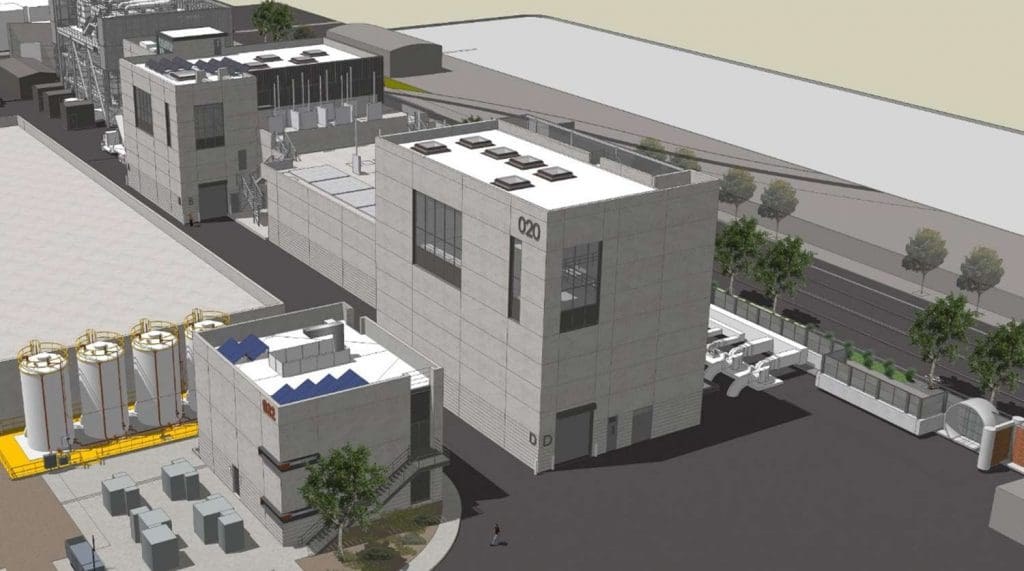
Southeast Water Pollution Control Plant (treatment plant, run by the Public Utilities Commission): $1.8B budgeted for its department in FY2025, 2,679 employees on the payroll, 5 contracts, 8 city documents at the Internet Archive, every figure linked to its source. The Southeast plant is where most of San Francisco's sewage goes, and the record around it is a long argument about capacity — and about what the Bayview got in return. A 1973 evaluation of the city's wastewater master plan describes it treating an average dry-weather flow of about 19 million gallons a day, with a peak hydraulic capacity of 70 million, discharging into the Bay 500 feet from shore at a depth of 40 feet. Environmental reports of the period are blunter about the limits: a 1976 study calculates one development's peak wet-weather runoff at roughly 91 percent of the plant's capacity, and states that the plant is often unable to handle peak wet-weather flow, with excess untreated sewage discharged into the Bay. Twenty years later, objectors to the Mission Bay plan were still telling the city the plant was already strained. The community's compensation is documented in its own right: a 1979 facilities plan sets out a community facility at the Southeast Treatment Plant, with a greenhouse and skills training building, and a study of the effects of the sewage plant on the surrounding community. The plant is now being rebuilt. A new headworks facility, contracted to a Sundt/Walsh joint venture, has been paid $667.6 million against $570.4 million agreed, with further contracts for boost-station and maintenance-building improvements. Source: SF Controller open data and the Internet Archive.
 carollo.com · Bing · UNVERIFIED
The Southeast plant is where most of San Francisco's sewage goes, and the record around it is a long argument about capacity — and about what the Bayview got in return. A 1973 evaluation of the city's wastewater master plan describes it treating an average dry-weather flow of about 19 million gallons a day, with a peak hydraulic capacity of 70 million, discharging into the Bay 500 feet from shore at a depth of 40 feet. Environmental reports of the period are blunter about the limits: a 1976 study calculates one development's peak wet-weather runoff at roughly 91 percent of the plant's capacity, and states that the plant is often unable to handle peak wet-weather flow, with excess untreated sewage discharged into the Bay. Twenty years later, objectors to the Mission Bay plan were still telling the city the plant was already strained. The community's compensation is documented in its own right: a 1979 facilities plan sets out a community facility at the Southeast Treatment Plant, with a greenhouse and skills training building, and a study of the effects of the sewage plant on the surrounding community. The plant is now being rebuilt. A new headworks facility, contracted to a Sundt/Walsh joint venture, has been paid $667.6 million against $570.4 million agreed, with further contracts for boost-station and maintenance-building improvements.
1700 Jerrold Ave · City-owned · 2 buildings · parcel 5313002 · District 10 · City Facilities registry
+ 1 more contracts
Every line opens that contract’s own page, with its spend curve and its subcontractors. Agreed amounts are ceilings, not spending.
Run by the Public Utilities Commission (water, power, sewer), whose whole-department budget is $1.8B across 2,679 staff (FY2025) — citywide, not this place’s own. The City does not publish a running cost per building.
A federal environmental statement tracing Hunters Point's sewage flows to the plant.
Phases II and III of the residential development of the Hunters Point redevelopment area in San Francisco, California : final environmental impact statement · 1976 ↗Internet Archive — San Francisco Public Library partnership scansAn environmental report stating the plant often cannot handle peak wet weather, discharging untreated sewage.
Draft environmental impact report, San Francisco Executive Park for the Yerby Corporation · 1976 ↗Internet Archive — San Francisco Public Library partnership scansAn environmental report listing the sewer mains carrying a hospital campus's flows to the plant.
San Francisco Kaiser Medical Center Geary Campus development project : draft environmental impact report · 1996 ↗Internet Archive — San Francisco Public Library partnership scansA wastewater master plan evaluation giving the plant's flows, capacity and outfall into the Bay.
Evaluation, San Francisco wastewater master plan · 1973 ↗Internet Archive — San Francisco Public Library partnership scans
See 4 more documents
Public objections to the Mission Bay plan arguing the treatment plant was already strained.
Mission Bay subsequent environmental impact report : final · 1998 ↗Internet Archive — San Francisco Public Library partnership scansThe facilities plan for a community building at the plant, with a greenhouse and skills training.
Step I facilities plan : community facility at the Southeast Treatment Plant · 1979 ↗Internet Archive — San Francisco Public Library partnership scansThe 1971 wastewater master plan, weighing options including phasing the plant out.
San Francisco master plan for waste water management · 1971 ↗Internet Archive — San Francisco Public Library partnership scansA consulting report on the city's water pollution control plants and their performance.
Report on water pollution control plants : report 1 · 1971 ↗Internet Archive — San Francisco Public Library partnership scans